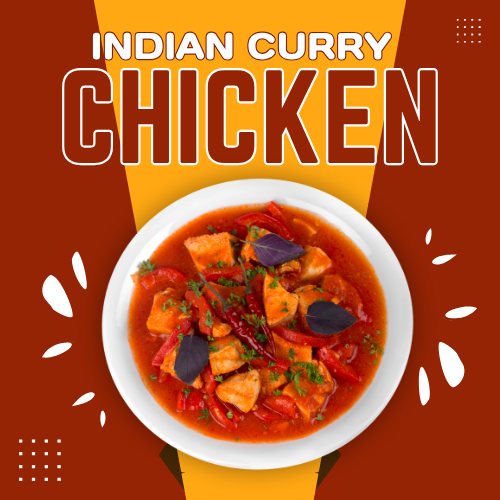

Ingredients
Equipment
Method
- Heat the Oil: On a medium flame, heat the oil in a heavy bottom pan. A heavy bottom pan helps distribute heat evenly.
- Add Whole Spices (Optional): Once the oil is hot, add the bay leaf, cinnamon, cloves, and green cardamoms.
- Sauté Onions: Stir in the finely chopped onions and green chilies. Sauté them until they turn a deep golden color, which should take about 7 to 8 minutes. Properly sautéing the onions until deep golden is crucial for building the foundational flavor base of your curry.
- Add Ginger Garlic Paste: Stir in the ginger garlic paste and sauté until you smell a nice aroma, about a minute. Make sure the raw smell disappears completely.
- Cook Tomatoes: Add the tomatoes, turmeric, and salt. Mix well and cook until the tomatoes become soft and mushy. Fry until the raw smell has gone and the tomatoes are completely mushy.
- Add Yogurt and Spices: Turn the heat down to low. Stir in the whisked yogurt (or cashew paste), red chili powder, garam masala, and coriander powder.
- Tip: If using yogurt, whisk it well with a fork. For extra caution against splitting, you can temper the yogurt by mixing in 2 tablespoons of the hot onion-tomato masala before adding the yogurt to the pan. Lower the flame completely before pouring the yogurt in.
- Sauté Spice Mix: Cook on low heat until the mixture smells wonderful and aromatic. Sauté until it becomes thick and begins to smell good. Cooking the spices on low heat is important as it prevents them from burning and allows their flavors to bloom fully.
- Add Chicken: Add the chicken pieces and the 2 tablespoons of chopped coriander or mint leaves. Fry on a medium heat until the chicken turns white or pale in color, which takes around 3 minutes. Sauté for 3 to 4 minutes until the chicken turns pale.
- Absorb Flavors: Cover the pan and cook on a low heat for 3 to 4 minutes. This step is really important as it lets the chicken soak up all those delicious spice flavors before adding liquid.
- Heat Water: While the chicken absorbs flavors, heat up 1 cup of water in a separate pot or microwave. Remember, using hot water is key to keeping the chicken tender.
- Add Water and Simmer: Pour in just enough hot water to create a thick gravy, starting with about ½ cup. The chicken will release moisture as it cooks, so you can add more water later if you need a thinner consistency. Just use enough to partially cover the chicken.
- Cook Until Tender: Cover the pan again and cook on a low to medium heat until the chicken is soft and tender. This took about 10 minutes for the original recipe author, but it can vary based on your chicken and the size of the pieces. Do not cook on a high temperature. The chicken is done when it falls off the bone easily if using bone-in pieces.
- Final Adjustments: Check if the chicken is cooked by pricking it with a fork – it should be soft. Taste the curry and add more salt if needed. If the flavor feels a bit low, you can also add another ½ teaspoon of garam masala at this stage.
- Finish: When the curry reaches your desired consistency, switch off the stove. Garnish with more fresh coriander leaves. Keep it covered until you are ready to serve.
Video
Notes
- Onion Prep: Take the time to fine chop your onions. This helps them cook down into that lovely, jammy texture in the curry sauce. You can use a chopper or food processor to speed this up.
- Slow Cooking is Key: Don’t rush the cooking process. A slow-cooked curry on a low heat really allows the flavors to develop beautifully and stands out compared to a curry cooked quickly on high heat.
- Chicken Choice: While boneless chicken is convenient, bone-in chicken adds wonderful depth of flavor due to the marrow. It can also help naturally thicken the curry without needing extra thickeners.
- Don’t Skip Whole Spices (If You Can): Bay leaf, cinnamon, cloves, and cardamoms add a more intense and robust flavor to the curry. Since ground spices can lose potency over time, whole spices release flavors slowly as the curry simmers.
- Yogurt Tips: Using a thicker, less sour yogurt with less whey works best to prevent splitting. If your yogurt is runny, you can strain it first. Tempering the yogurt as described in step 6 is also a great technique.
- Substitutes for Thickening: If you’re not using yogurt or want a creamier sauce, you can use a paste made from soaked cashews, almonds, or white poppy seeds. Just blend them with hot water until super smooth. Coconut or coconut paste is also a traditional option.
- Make it Creamy: Towards the end of cooking, you can stir in 3 to 4 tablespoons of heavy cream, cooking cream, or thick coconut milk for a richer, creamier texture. Be careful not to add too much, as it can make the dish bland.
- Pressure Cooker: If you are using country chicken (naatu kodi / kozhi), you can make this in a pressure cooker. Cook for about 4 whistles on a medium flame.
- Freezing: Yes, you can freeze leftover chicken curry.
- Sourcing Spices: The quality of your spices significantly impacts the final dish. Try to source fresh, good quality spices for the best flavor.
- Adjusting Spice Levels: Remember to adjust the amount of green chilies and red chili powder based on your personal spice preference. You can also add more garam masala at the end for a spicier finish if desired.
Variations
This recipe is a fantastic base, and you can easily adapt it:- Smooth Sauce: If you prefer a curry without chunky onions and tomatoes, you can cool the sautéed onion-tomato mixture (masala) after step 7, blend it with about half a cup of water until smooth, and then strain this puree back into the pan with the chicken.
- Using Coconut Milk: As mentioned in the ingredients, you can use hot light coconut milk instead of water for a different flavor profile. You can also add thick coconut milk at the end for creaminess. This variation is sometimes referred to as how to make chicken curry with coconut milk.
- Using Curry Powder: While this recipe uses individual ground spices, you can substitute them with a good quality curry powder as needed. Note that curry powder has a different aroma and spice level than garam masala. This would be an easy chicken curry with curry powder.
- Make it Your Own: Feel free to experiment! You can add other vegetables like potatoes, peas, or bell peppers, or even try this base recipe with different types of protein like goat or lamb (adjusting cooking time accordingly).