Go Back
How to Make Chicken Soup | Chicken Soup Recipe at Home
Ritika Yadav

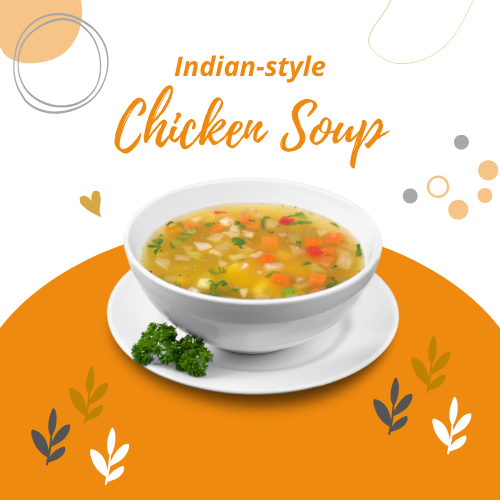
Chicken Soup Recipe

Learn how to make comforting Indian-style chicken soup—easy, healing, and perfect for colds or light, nourishing meals. Cook now!
Prep Time 10 minutes
Cook Time 25 minutes
Total Time 35 minutes
Servings: 5
Course: Main Course
Cuisine: Indian
Calories: 200

Ingredients
  

  • 250 gms chicken bone-in chicken is recommended as it adds more flavor to the stock
  • 1 carrot
  • ½ cup Sweet corn
  • 1 potato optional
  • 1 cup any vegetables of your choice optional like cauliflower, celery, or cabbage
  • 2 tbsp Lemon juice added at the end, this helps in fighting flu and cold
  • 1 tbsp ginger chopped finely optional
  • 1 tbsp garlic chopped finely
  • 1 tsp ghee or oil or butter
  • 2 inch cinnamon piece
  • 1 small bay leaf
  • 4 peppercorns

Equipment

  • 1 Pressure Cooker or Large Pot
  • 1 Strainer or Sieve
  • 1 Knife & Cutting Board
  • 1 Deep Pan or Saucepan
  • 1 Ladle or Large Spoon
  • 1 Tongs or Forks
  • 1 Bowl

Method
 

  1. Start the Stock: Add the chicken, potatoes, mixed vegetables (if you are using them at this initial stage), and 3 cups of water to a cooker or large pot. Tear the bay leaf and break the cinnamon piece before adding them along with the peppercorns.
  2. Cook Until Tender: If using a pressure cooker, cook for 3 whistles. If using a regular pot, simply boil until the chicken is tender and easily falls off the bone.
  3. Prepare the Chicken: Once cooked, set the chicken aside. Shred the meat from the cooked chicken, carefully discarding the bones.
  4. Strain the Stock: Carefully strain the broth from the pot into a deep pan. You’ll notice that the vegetables cooked initially with the chicken will be left in the strainer. These vegetables often become very soft during the initial cooking process.
  5. You have a Choice: You can discard them, or if you prefer a thicker soup with added fiber and nutrients, you can blend some of the cooked vegetables and stir them back into the strained stock later.
  6. Sauté Aromatics and Veggies: Heat the ghee (or oil/butter) in the pan with the strained stock. Add the finely chopped ginger and garlic and sauté for about a minute until fragrant.
  7. Add Carrots and Corn: Now, add the fresh carrots and sweet corn (if you didn’t add them in the initial step) to the pan. Fry them for about a minute alongside the aromatics.
  8. Combine and Boil: Add the strained chicken stock back into the pan with the sautéed vegetables. Bring the mixture to a boil, then reduce heat and simmer until the fresh carrots and corn are tender.
  9. Finish the Soup: Once the vegetables are tender, add salt to taste. Return the shredded chicken meat to the soup. Turn off the heat.
  10. Add Lemon Juice: It’s best to add the lemon juice after the soup has finished cooking and has cooled slightly. Squeeze in the lemon juice at this stage. This is partly because the lemon juice is said to help in fighting flu and cold, and adding it off the heat helps preserve its fresh flavor and vitamin C. You can also add more pepper powder at this stage if you like.
  11. Serve Warm: Serve this comforting chicken soup warm. Enjoy its nourishing and gentle flavors in a bowl.
Notes

  1. Boost It Up: For a more complete and filling meal, you can easily add some boiled noodles directly to the soup before serving. This is a popular way to make it heartier.
  2. Add Grains for Nutrition: If you are serving this soup often, perhaps for someone recovering or just for extra substance, consider adding cooked grains like rice, barley, dalia, or steel-cut oats directly into the soup. This boosts the nutritional value.
  3. Handle Cooked Veggies from Stock: As mentioned in the steps, the vegetables initially cooked with the chicken for the stock become quite soft. While you can discard them, blending some back into the strained broth is a great, simple way to add more body, thickness, and fiber to your soup, minimizing waste.
  4. Adjust Spices to Your Liking: This recipe uses a few key spices (bay leaf, peppercorns, cinnamon) for a wonderfully mild, comforting flavor. Feel free to adjust the amount or type of spices based on your personal preference or dietary needs. You might omit some or add others like a pinch of turmeric or cumin if you like.
  5. Don’t Skip the Lemon Power: Adding the lemon juice at the very end, after cooking, is important. It not only brightens the flavor but is added partly because it’s traditionally believed to help in fighting flu and cold.